
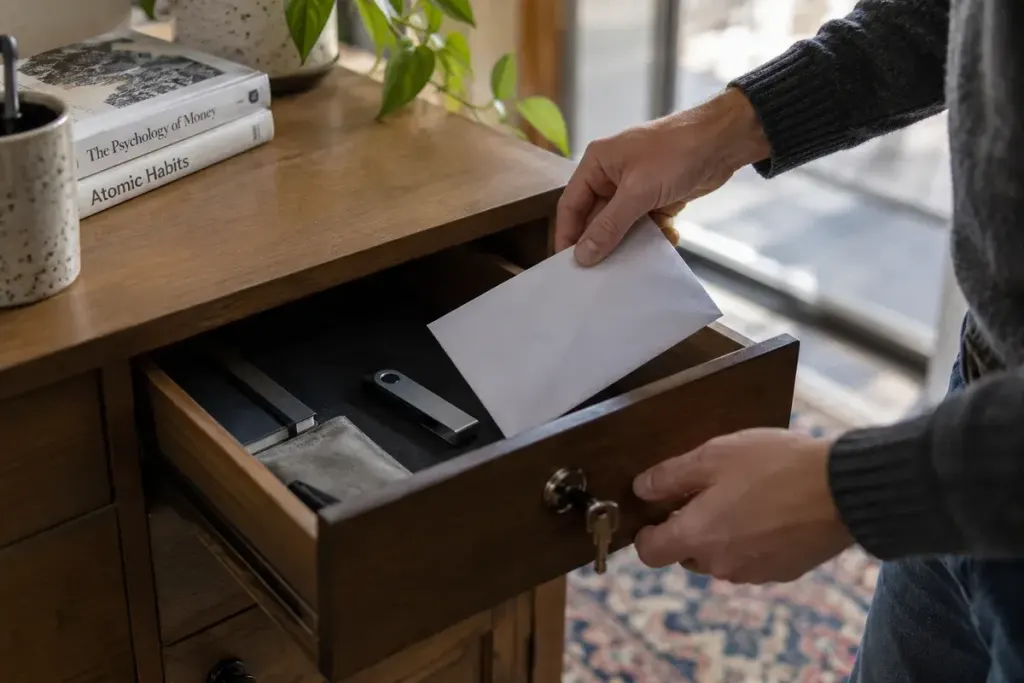
A message claiming to be wallet support can sound helpful while asking for the one thing that gives away control: the recovery phrase. A technical-looking form does not make that request legitimate. The phrase is a secret, not a support ticket identifier.
For wallets that use a recovery phrase, anyone who obtains it may be able to recreate the wallet and control its assets. Treat it differently from a public address or transaction reference, which have different purposes and privacy implications.
Verify the route before sharing anything
Open support through the provider’s official website or application using a route you already trust. Avoid following a link supplied by an unsolicited direct message, a search advertisement or someone replying to a public complaint.
MetaMask’s security guidance explicitly warns against sharing a recovery phrase or private keys, including with someone claiming to represent its team. Other wallet users should consult their own provider’s official recovery and security instructions.
A legitimate troubleshooting conversation may involve a description of the problem, application version or public transaction information. Even then, minimise what you share and consider what a screenshot reveals. Do not expose a recovery screen, private key, password or unrelated personal information.
Watch for the invented emergency
Scammers may describe a wallet as needing “validation,” “synchronisation” or an urgent upgrade. The language can change; the request to reveal a secret is the important signal. Pressure to act immediately should make you slow down and verify independently.
- Do not type a phrase into a support form.
- Do not read it aloud during a call or screen-sharing session.
- Do not send a photograph of its storage location.
- Do not trust a person merely because their display name resembles a provider.
If you believe a phrase has been exposed, treat the wallet as potentially compromised and follow the provider’s official incident guidance promptly. Do not send additional funds to “unlock” recovery, and be cautious of anyone promising guaranteed asset retrieval for an advance payment.
Secure storage and a tested understanding of the provider’s recovery process belong before an emergency. The essential boundary is simple: support can help explain the software, but it does not need the secret that controls your wallet.