Blockchain Basics
A Blockchain Test Network Uses a Different Kind of Value
Understand what blockchain test networks are for, why test tokens differ from real funds and what a successful test does not prove.

Blockchain concepts explained with care and context.
Understand what blockchain test networks are for, why test tokens differ from real funds and what a successful test does not prove.
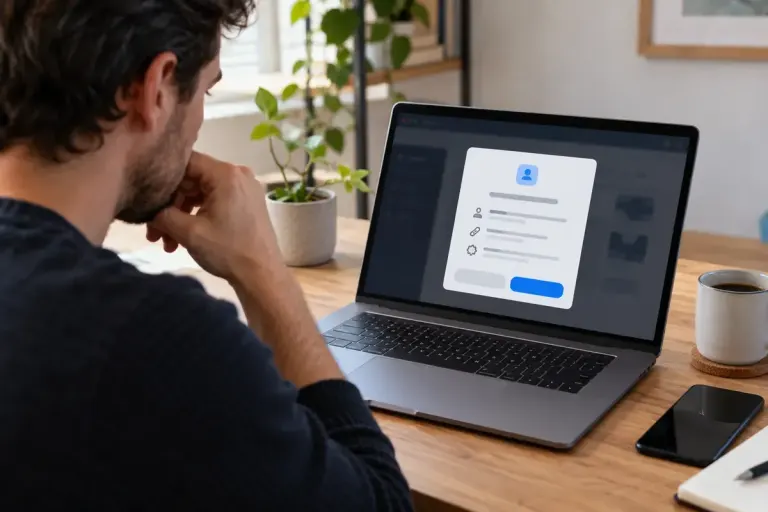
Distinguish connecting an account from signing a message or approving an on-chain action, and review each wallet request on its own terms.
Read a wallet’s simulated balance changes as an estimate, check permissions separately, and avoid treating a preview as proof of safety.
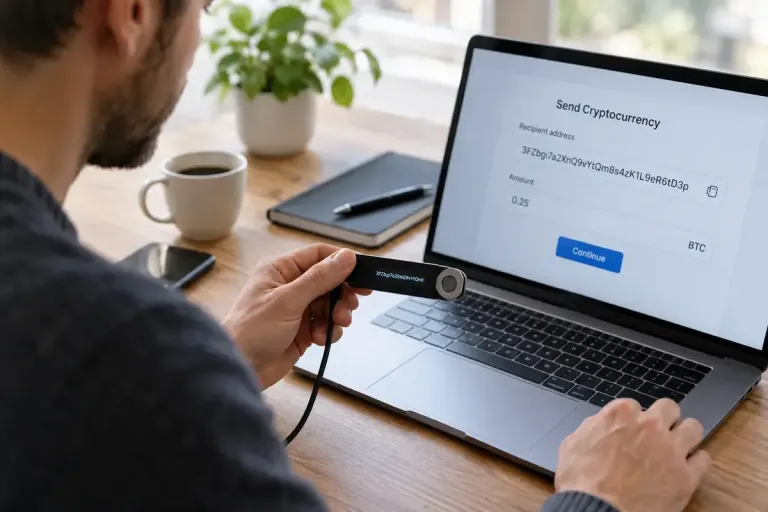
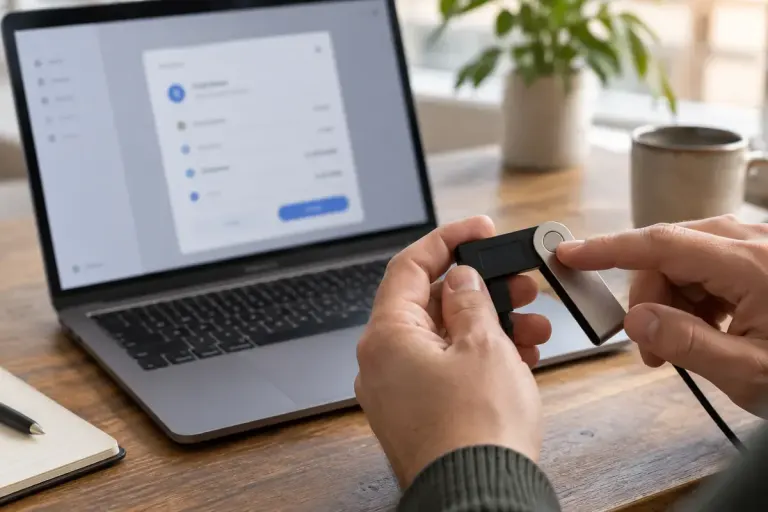
A hardware wallet provides a separate display for checking transaction details, but you still need to verify the address, network and recipient.

Distinguish transaction inclusion, confirmations, network finality and an exchange’s crediting policy before interpreting a blockchain status display.
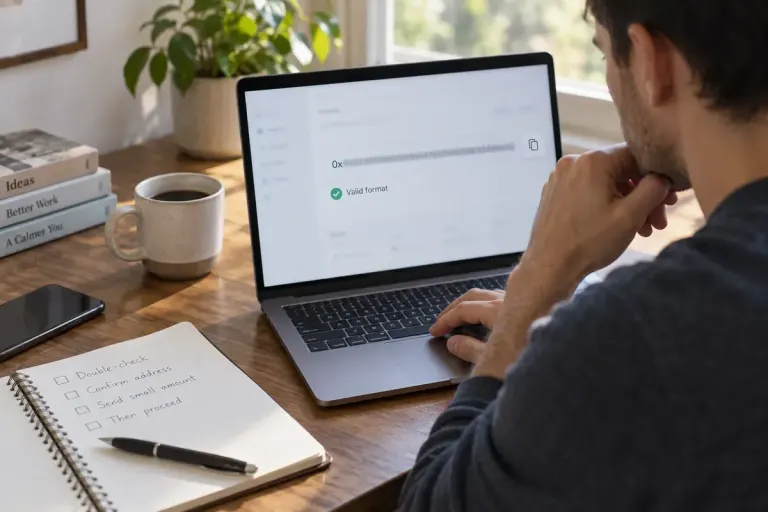
Understand what mixed-case Ethereum address checks can detect, and why passing a checksum does not establish who controls an address.

A raw token balance needs the correct decimal scale before it becomes a readable amount. Verify token metadata instead of assuming every asset uses 18 decimals.

Separate a token’s blockchain record from its metadata and media location, and ask what keeps the referenced image available over time.
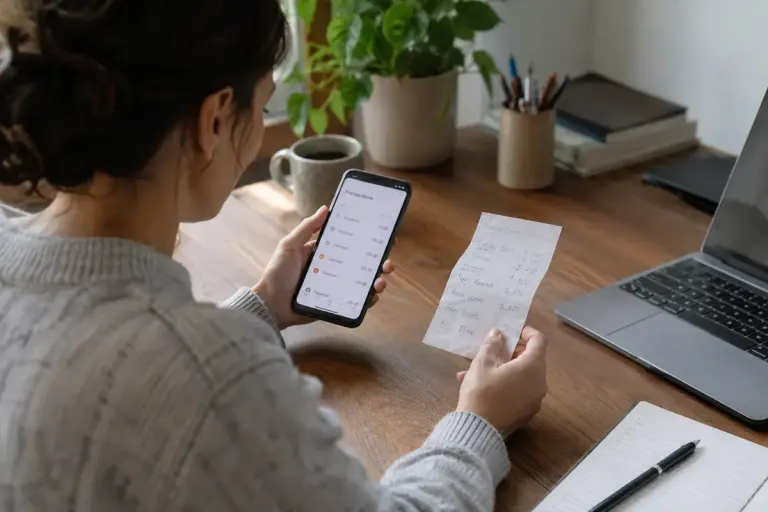
Compare custodial services and self-custody by control, recovery and access responsibilities rather than assuming similar wallet screens work alike.